
مهندسين مشاريع الإضاءة, مصممي التركيبات الصناعية, ويواجه مديرو المشتريات الإلكترونية قرارات مادية حاسمة عند تكوين مصفوفات الإضاءة ذات الحالة الصلبة عالية الطاقة. لأن الثنائيات الباعثة للضوء الحديثة عالية الإنتاج تحزم طاقة حرارية شديدة في مناطق مجهرية, اختيار الأمثل الألومنيوم ثنائي الفينيل متعدد الكلور LED وحدة الضوء تحدد الهندسة المعمارية ما إذا كان منتجك سيزدهر أم سيعاني من فشل مبكر في هذا المجال. بالتالي, كثيرًا ما يطرح وكلاء الشراء الدوليون في مجال B2B سؤالاً محوريًا حول مصادر الأجهزة أثناء تطوير المنتج: “تكلف ألواح الألياف الزجاجية FR4 القياسية أقل بكثير مقدمًا, فلماذا يجب أن تعمل وحدات LED التجارية على النوى المعدنية? بالإضافة إلى, هل إن السعر الهائل للنواة النحاسية يبرر حقًا التكلفة الإضافية على الألومنيوم?”
يؤدي اختيار ركيزة غير مناسبة للدائرة إلى انخفاض قيمة التجويف بشكل لا رجعة فيه, تحول اللون, والإرهاق المبكر لأشباه الموصلات على أرض الملعب. إن فهم الفجوات الدقيقة في الأداء الديناميكي الحراري عبر هذه المواد الأساسية الثلاثة يسمح لفريق الشراء الخاص بك بموازنة تكاليف الإنتاج بشكل مثالي مع الموثوقية الميدانية. هذا الدليل الهندسي الشامل يكسر الاختلافات الهيكلية, حدود تبديد الحرارة, وحدود الاختيار الإستراتيجية المطلوبة لتعظيم عائد الاستثمار في شراء الأجهزة.
المعضلة الحرارية: كيف تحمي موصلية الركيزة عمر LED
لبناء منتج إضاءة تجاري موثوق به, يجب على فريق التطوير الخاص بك أولاً معالجة القانون الأساسي للإلكترونيات الضوئية. رقائق LED عالية الطاقة عبارة عن سخانات غير فعالة إلى حد كبير, تحويل تقريبًا 70% ل 80% من إجمالي الطاقة الكهربائية المدخلة مباشرة إلى طاقة حرارية مهدرة بدلاً من الضوء المرئي. إذا لم تتمكن لوحة الدائرة الخاصة بك من سحب هذه الحرارة المركزة بعيدًا عن تقاطع أشباه الموصلات على الفور, درجة حرارة الوصلة الداخلية (تي جي) سوف تتجاوز الحدود الآمنة, الذي يدمر مخرجات التجويف بسرعة ويسبب فشلًا مبكرًا للرقاقة.
تتميز لوحات الدوائر القياسية المصنوعة من الألياف الزجاجية FR4 بتصنيف توصيل حراري منخفض للغاية يبلغ فقط 0.25 ث / م · ك, تعمل كغطاء حراري يحبس الحرارة مباشرة على قاعدة الصمام الثنائي. في تناقض حاد, أ منصة إضاءة وحدة PCB LED من الألومنيوم مصممة بشكل احترافي يدمج طبقة عازلة عازلة متخصصة تحقق معدل التوصيل الحراري 1.0 ل 3.0 ث / م · ك. لمتطلبات المعالجة القصوى, تعمل الركيزة النحاسية النقية على تحسين الأداء من خلال توفير معدل توصيل حراري مذهل للمواد الخام يبلغ تقريبًا 400 ث / م · ك. تحدد هذه الفجوة الهائلة في الأداء المادي بشكل مباشر عدد آلاف الساعات التي يمكن لنظام الإضاءة الخاص بك تشغيلها قبل أن يفقد السطوع.
ثلاث طبقات مادية متميزة: مطابقة الركائز لكثافة طاقة التطبيق
يساعدك تقييم قوة التشغيل الدقيقة لتركيبات الإضاءة الخاصة بك على تحديد الأكثر موثوقية, مواد لوحية فعالة من حيث التكلفة لخط الإنتاج الخاص بك.
1. ألواح الألياف الزجاجية القياسية FR4 (مؤشرات الطاقة المنخفضة فقط)
تعمل ركائز الألياف الزجاجية الإيبوكسي التقليدية بشكل جيد مع مصابيح المؤشر منخفضة الطاقة, الالكترونيات الاستهلاكية الأساسية, ولهجات الخلفية الزخرفية حيث تسحب الثنائيات الفردية أقل من 1 واط من الطاقة. لأن هذه التطبيقات ذات القوة الكهربائية المنخفضة تولد حرارة قليلة جدًا, السعر المنخفض لـ FR4 يجعله خيارًا معقولًا للعناصر الجديدة الاستهلاكية الحساسة للميزانية والتي لا تتطلب الحد الأقصى لطول العمر.
2. المعادن الأساسية الألومنيوم ثنائي الفينيل متعدد الكلور (معيار صناعة الإضاءة التجارية)
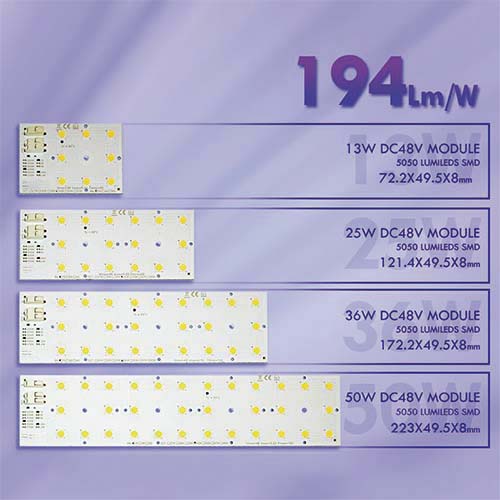
تعمل الألواح الأساسية المصنوعة من الألومنيوم كمعيار نهائي للغالبية العظمى من إعدادات الإضاءة التجارية والصناعية, بما في ذلك الأضواء الكاشفة للملعب, مصابيح الشوارع البلدية, تجهيزات مستودعات عالية الخليج, والإضاءة الداخلية المعمارية. توفر هذه الركيزة توازنًا هندسيًا استثنائيًا من خلال التبديد الحراري السريع, صلابة هيكلية عالية, وكفاءة ممتازة من حيث التكلفة, ضمان احتفاظ التركيبات التجارية الخاصة بك بإنتاج لومن ثابت على مدار سنوات من الخدمة النشطة.
3. ركائز النحاس قسط (قوة عالية للغاية & تطبيقات السيارات)
تتعامل النوى النحاسية شديدة التحمل مع أصعب الأمور, بيئات فائقة الطاقة, مثل وحدات المصابيح الأمامية LED للسيارات, مصابيح المعالجة بالأشعة فوق البنفسجية عالية الكثافة, وأجهزة الإسقاط الطبية. عندما تقوم المصانع بإقران قلب نحاسي بمسار حراري مباشر (النشر المكتبي) تكنولوجيا, يتم لحام الوسادة الحرارية لشريحة LED مباشرة بالقاعدة المعدنية الصلبة. يتجاوز هذا التصميم الذكي تمامًا طبقة العزل العازلة المقيدة, مما يسمح للوحدة بالبقاء على قيد الحياة مع الأحمال الحرارية الشديدة وضغط الاهتزاز العالي بسلاسة.
الواقع الاقتصادي: لماذا يهيمن الألومنيوم على المصادر كبيرة الحجم؟
أبعد من تحليل الرسوم البيانية لدرجة الحرارة الخام, يجب على المشترين من الشركات تقييم اقتصاديات المواد وقيود الوزن عن كثب لحماية ميزانيات الإنتاج الخاصة بهم.
من الناحية المادية الخام, يتميز الألومنيوم بكثافة منخفضة تبلغ فقط 2.7 جم/سم3, الذي يقيس ما يقرب من ثلث وزن النحاس الكثيف 8.96 جم/سم3. تعمل هذه الميزة خفيفة الوزن على تقليل تكاليف الشحن الدولي بشكل كبير وتقليل إجهاد الحمل الهيكلي على إطارات السقف المتدلي المعمارية واسعة النطاق. ماليا, يؤدي استخدام لوحة أساسية من الألومنيوم بدلاً من القاعدة النحاسية داخل إعدادات الطاقة المتوسطة إلى خفض تكاليف تصنيع الوحدة الفردية لديك 30% ل 50%. إن نسبة التكلفة إلى الأداء الممتازة هذه تجعل الألومنيوم هو الفائز بلا منازع في عمليات الإنتاج التجاري كبيرة الحجم.
إطار المشتريات: إعداد 2 ث / سم² الحدود
يمكن لوكلاء تحديد المصادر التخلص بسرعة من التخمين الهندسي من خلال اعتماد أسلوب صارم, مصفوفة الشراء المعتمدة على كثافة الطاقة أثناء المفاوضات مع البائع:
- عندما تقع كثافة الطاقة أدناه 2 ث/سم²: حدد التكوينات الأساسية المصنوعة من الألومنيوم عالي النقاء لضمان أفضل توازن بين أداء التبريد الموثوق والأسعار التنافسية بالجملة.
- عندما تتجاوز كثافة الطاقة 2 ث/سم²: قم بترقية مواصفاتك إلى ركيزة نحاسية باستخدام المسار الحراري المباشر (النشر المكتبي) قنوات للتعامل المكثف, الأحمال الحرارية المركزة بأمان.
- عند العمل في بيئات عالية الاهتزاز: اختر بنيات متينة ذات قاعدة نحاسية للتطبيقات عالية الصدمات مثل فتحات محركات السيارات أو مجموعات أدوات الطيران لضمان أقصى قوة اتصال ميكانيكية.
خاتمة: استثمر في تبديد الحرارة الذكي لحماية علامتك التجارية
ختاماً, يتطلب تحقيق النجاح الدائم في سوق الإضاءة التجارية التنافسية الحصول على ركائز دوائر عالية الأداء تتوافق مع احتياجات الطاقة الدقيقة للثنائيات الخاصة بك.
توقف عن المخاطرة برأس مال التطوير الخاص بك, عقود البيع بالتجزئة, وسمعة العلامة التجارية للشركات بسعر رخيص, لوحات الدوائر FR4 منخفضة المواصفات التي تشوه, تلطيخ, وتفشل تحت الضغط الحراري في العالم الحقيقي. ترقية مخزون الإضاءة التجارية الخاص بك إلى المستوى الذي تم التحقق منه بالكامل الألومنيوم ثنائي الفينيل متعدد الكلور LED وحدة الضوء تضمن المنصة كفاءة حرارية ممتازة, عمر التجويف يمكن التنبؤ به, وقوة هيكلية موثوقة عبر كل دفعة إنتاج. نقوم بتصنيع كل لوحة معدنية أساسية ونربط كل طبقة عازلة لتلبية ضوابط الجودة الدولية الصارمة. اتصل بقسم هندسة الإلكترونيات لدينا اليوم لإرسال ملفات تخطيط دائرتك والحصول على التفاصيل, اقتباس التصنيع الأمثل.
